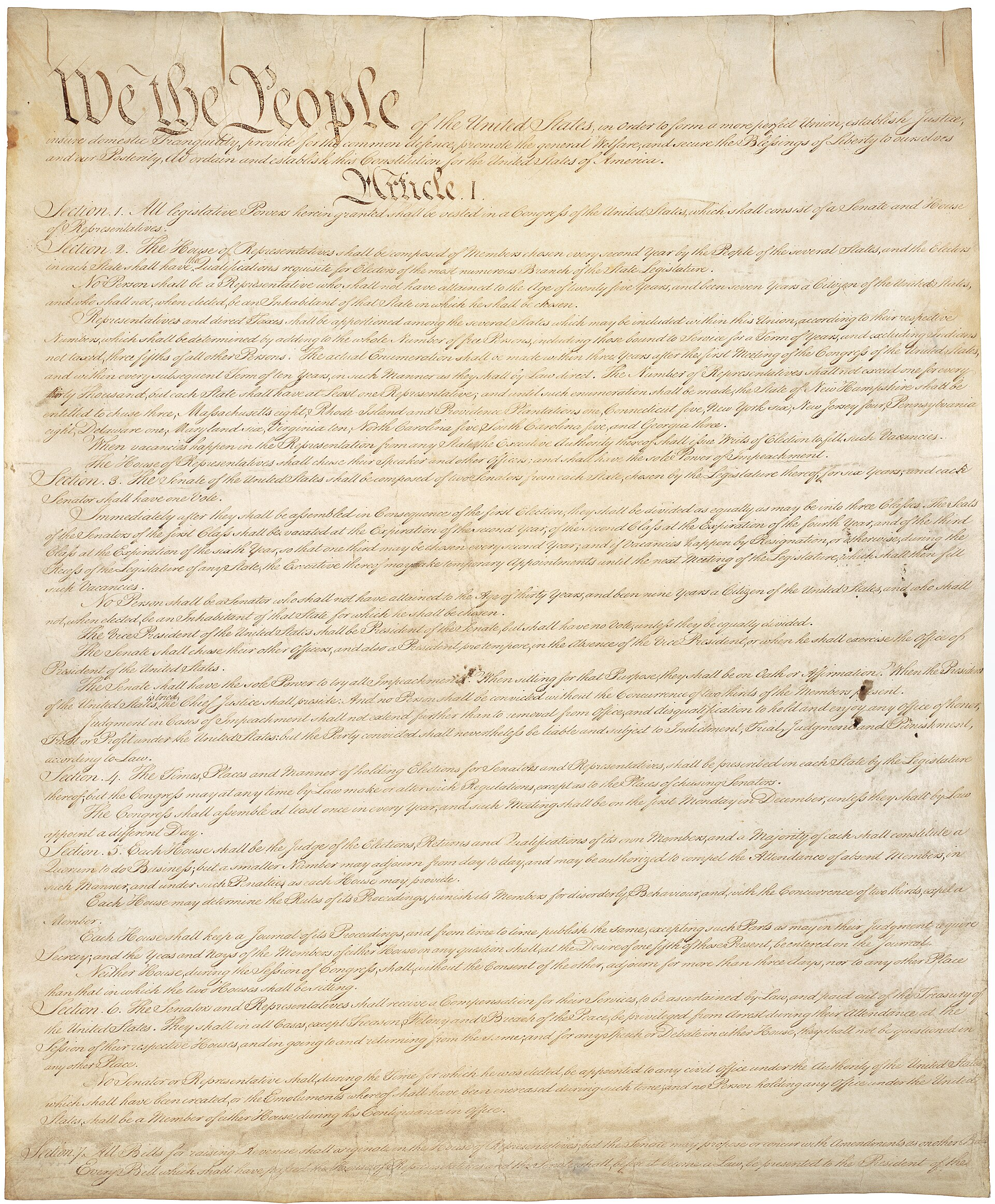
A multi-lesson unit for grades 4–5 that shows how the ideas of liberty, self-government and the rule of law became the Declaration of Independence and the U.S. Constitution, using...
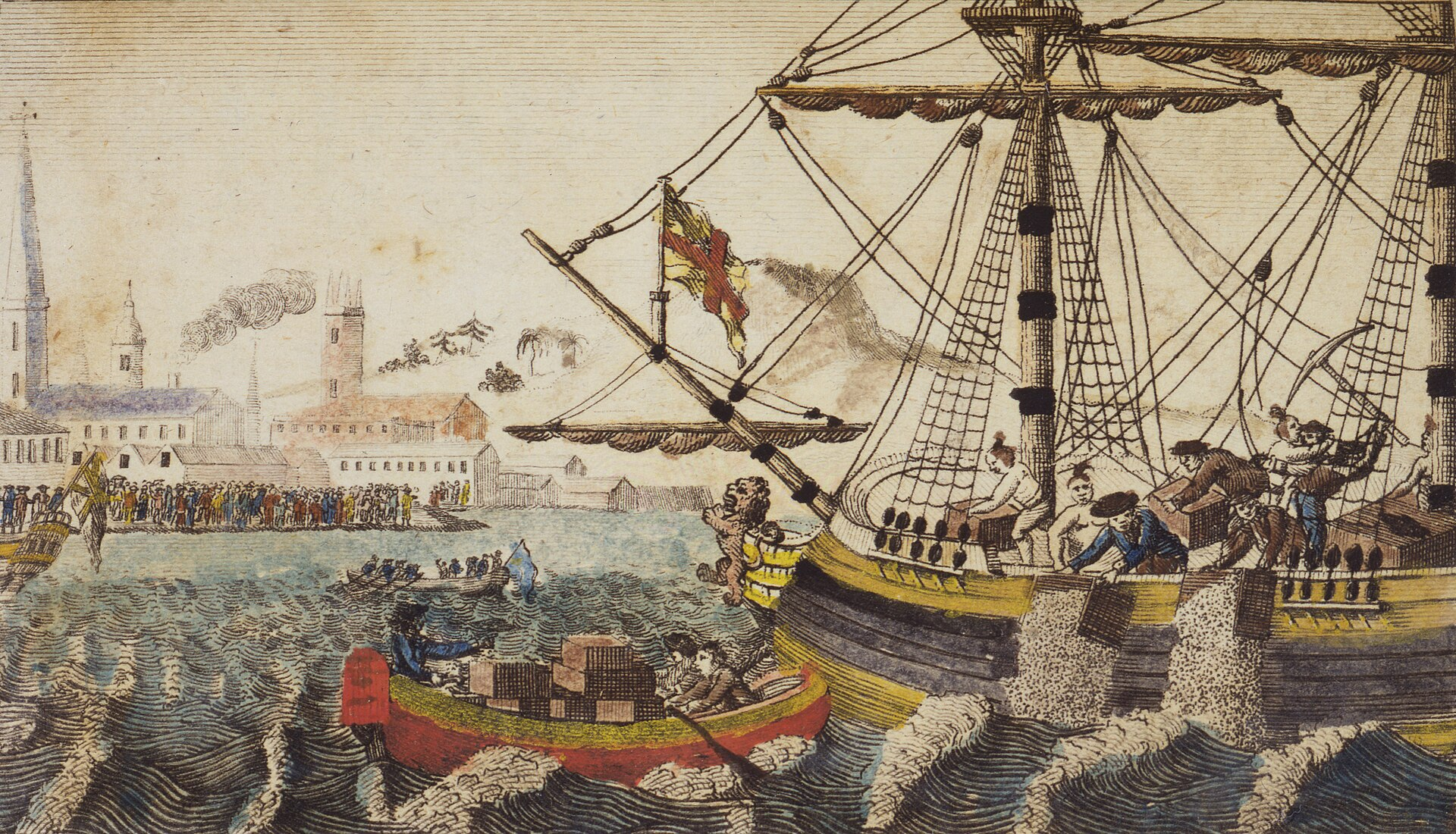
In December 1773, colonists in Boston dumped 342 chests of British tea into the harbor. Students investigate the Tea Act, “taxation without representation,” and how Britain responded.
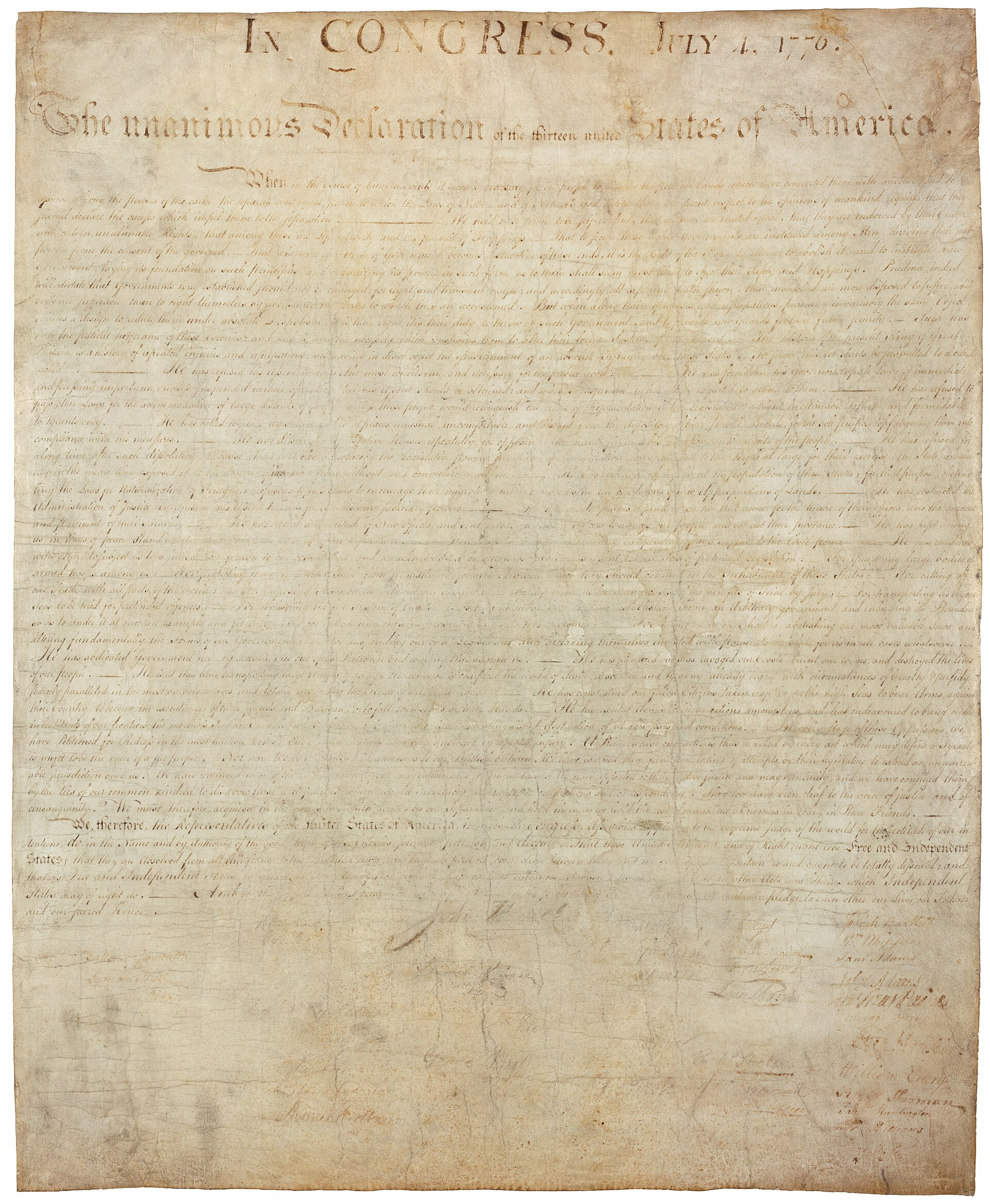
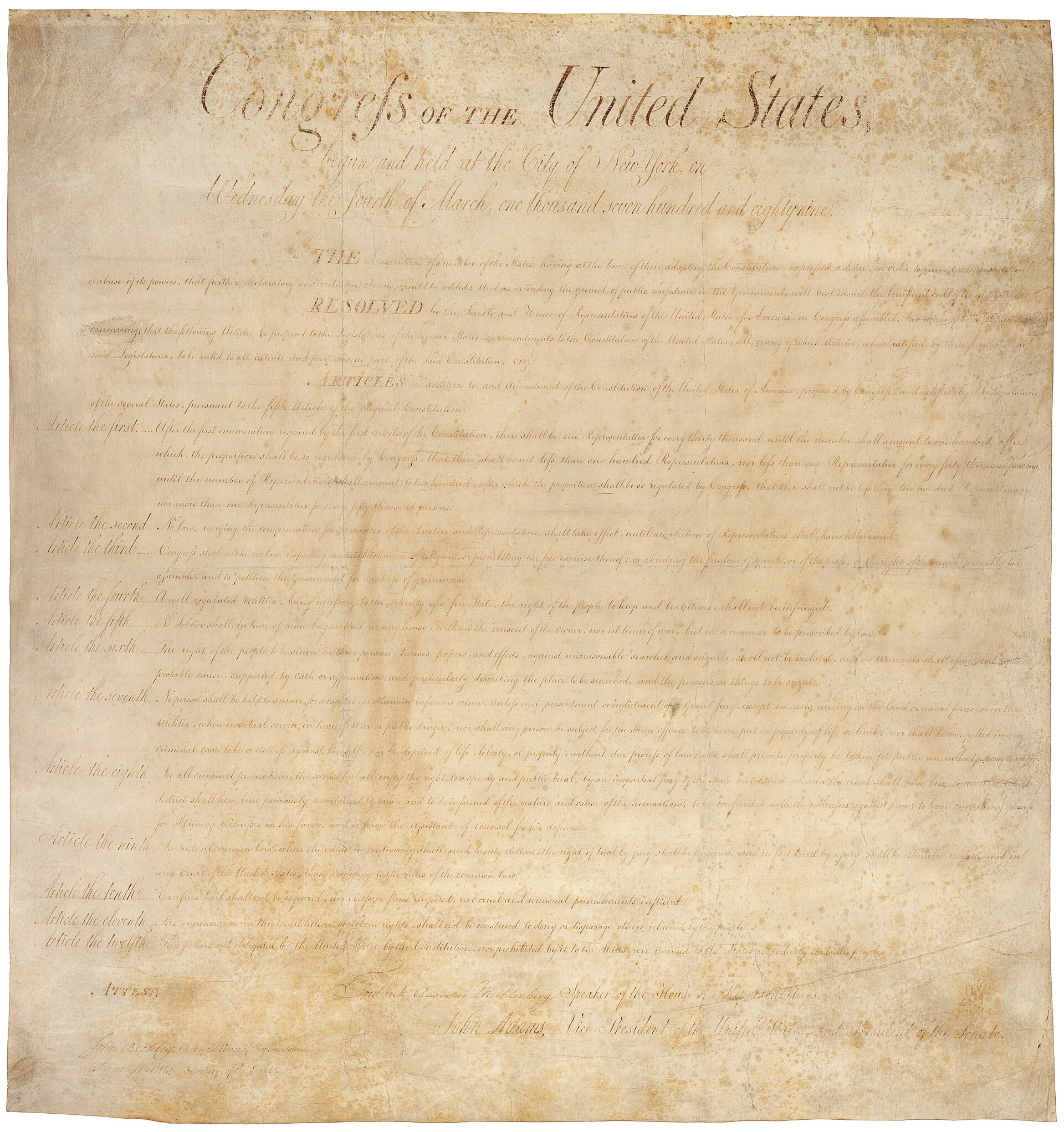
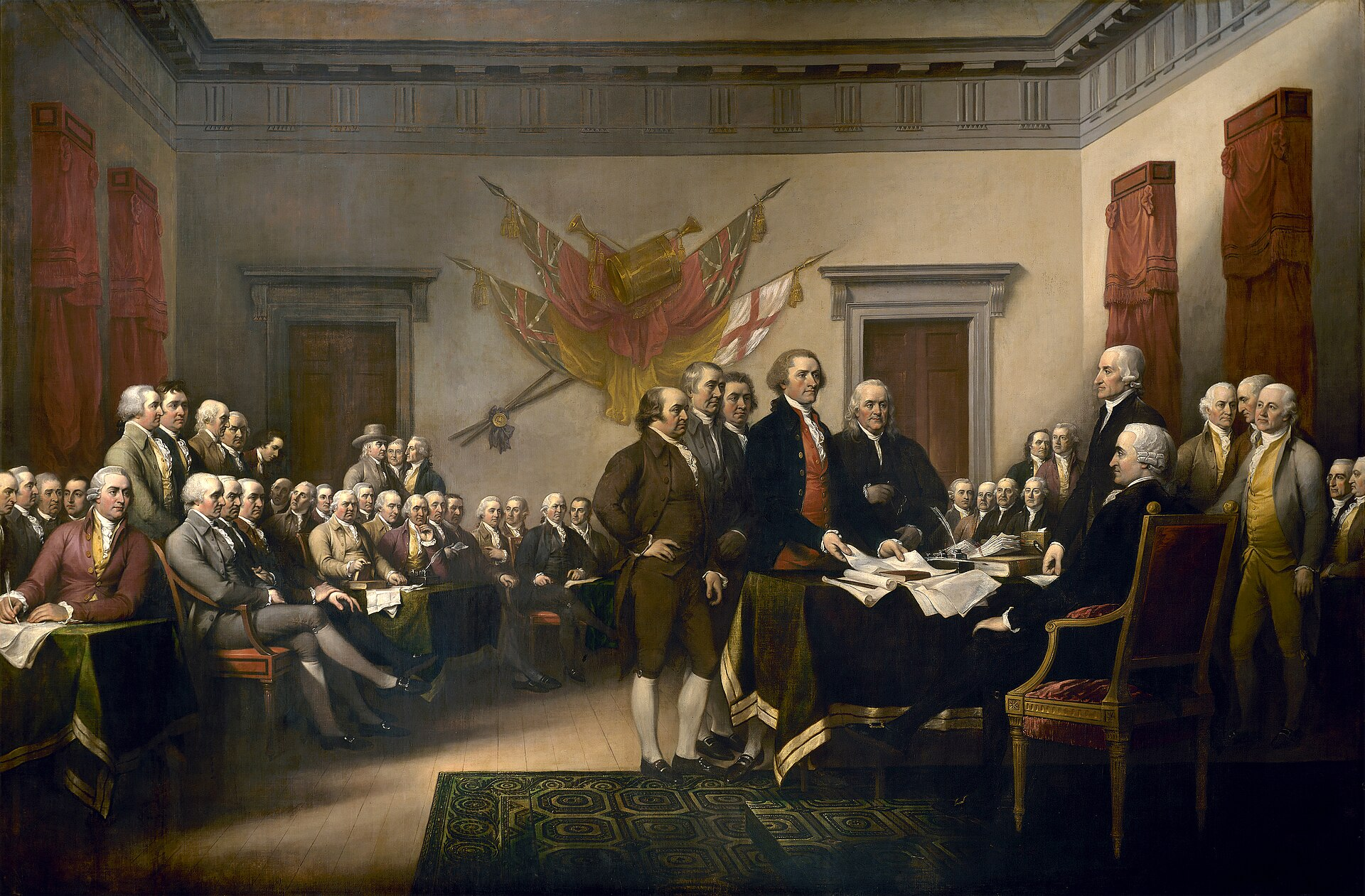
A classroom set of the key documents of the American founding, from the Declaration of Independence to the Bill of Rights, with student-friendly background for each source.
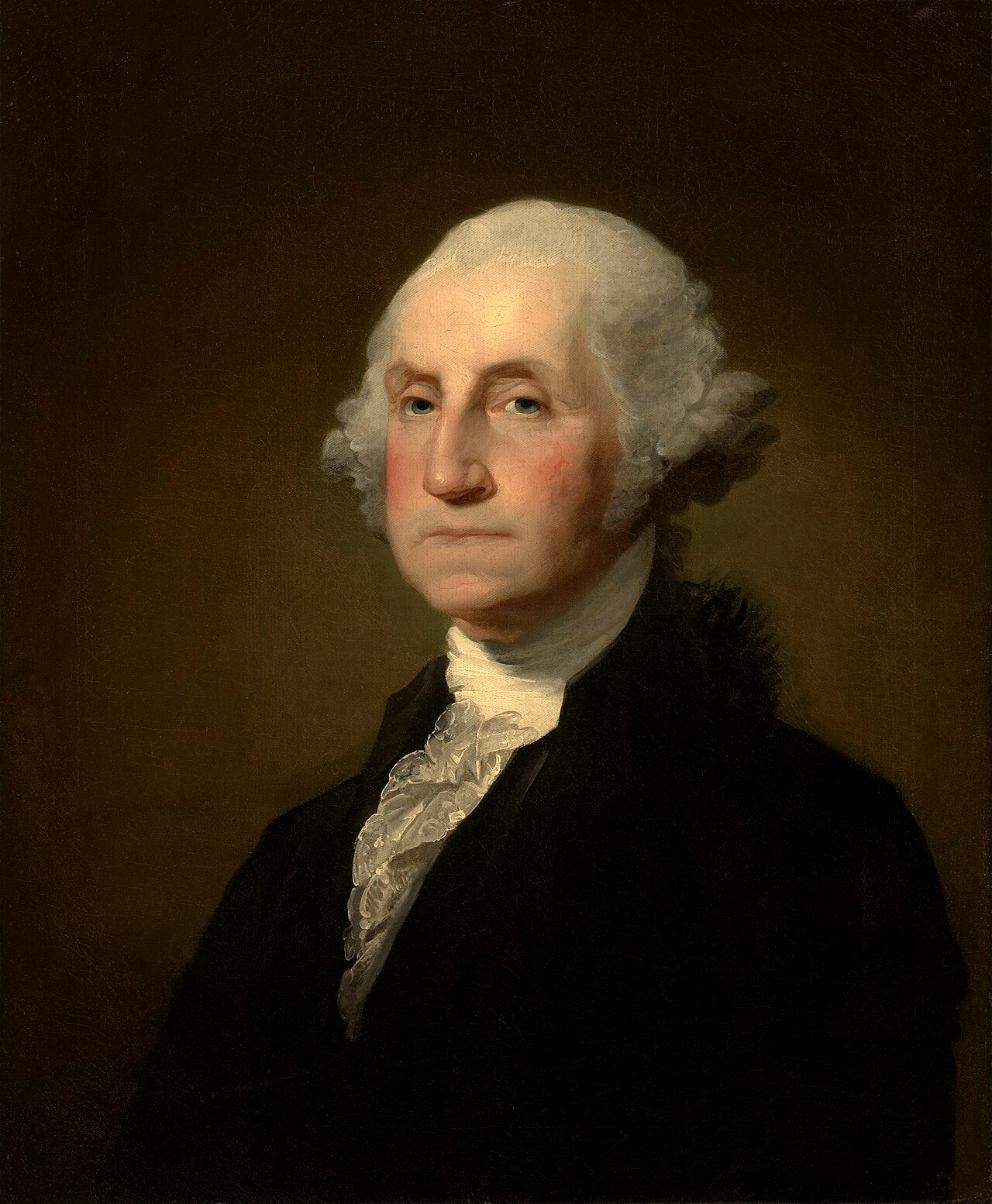
Students explore how George Washington led the Continental Army, presided over the Constitutional Convention and, as first president, set precedents by stepping down after two terms.
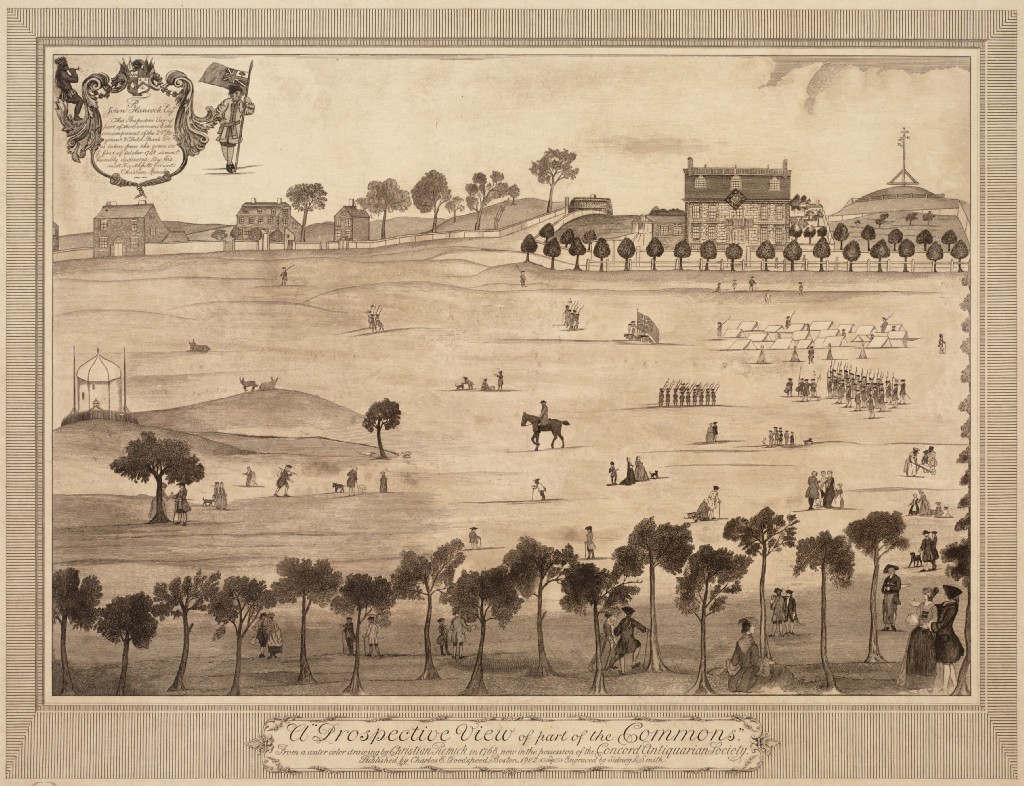
A unit for grades 4–5 on everyday life in the thirteen English colonies, comparing New England, the Middle Colonies and the Southern Colonies and how colonists governed themselves.
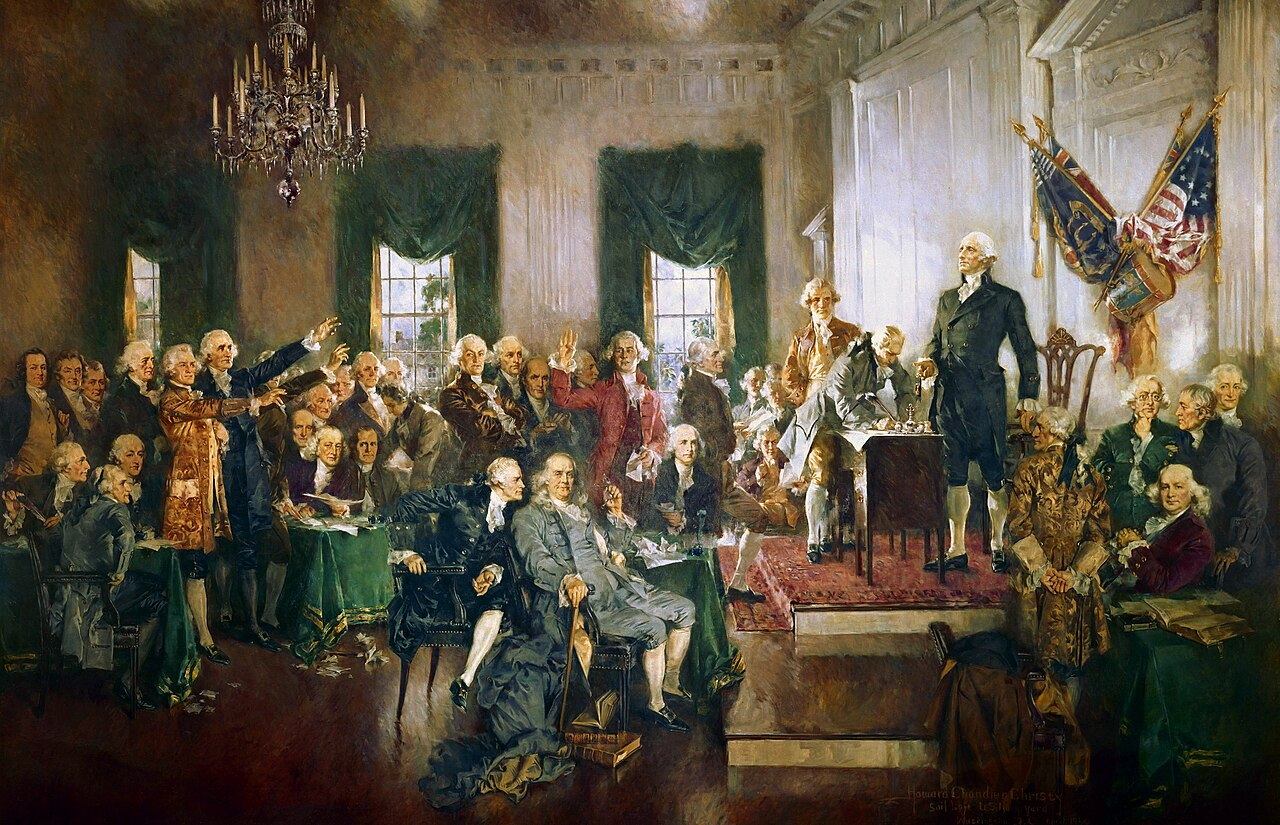
Students learn why the founders replaced the Articles of Confederation, how the 1787 Constitutional Convention reached the Great Compromise, and how the Constitution separates power.
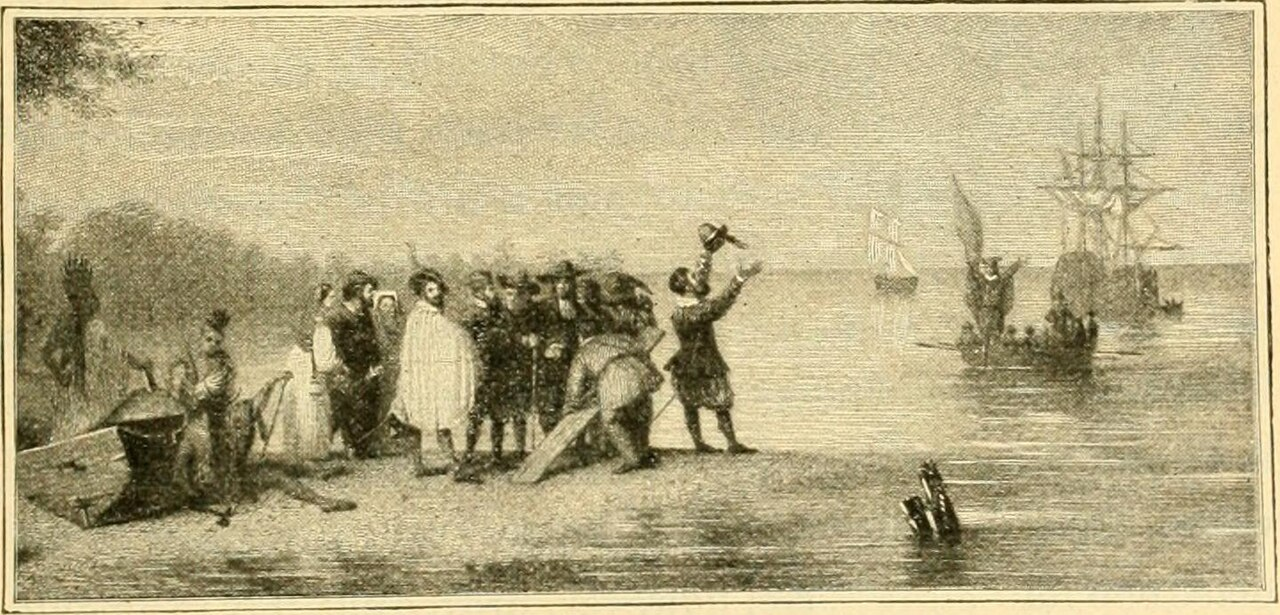
A short video introduction to Jamestown, founded in 1607 as the first permanent English settlement in North America, and the people, hardships and ideas that shaped it.
A plain-language version of the Declaration of Independence that helps students understand its famous opening ideas and the complaints colonists listed against King George III.
An introduction to the first ten amendments to the Constitution, ratified in 1791, and the everyday freedoms they protect, such as speech, religion, the press and fair trials.